
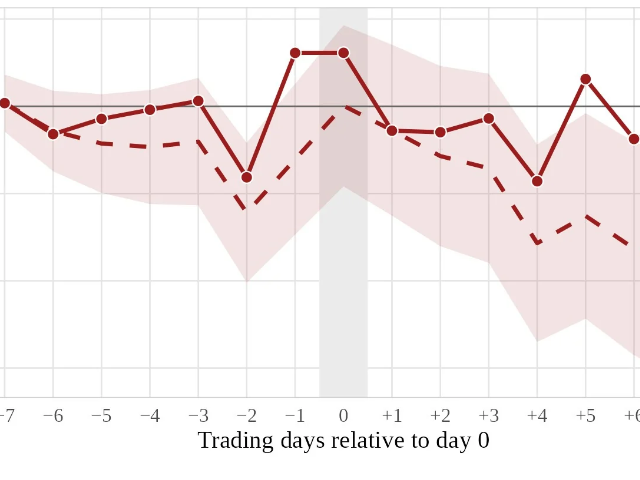
The Normafa Research Team is currently conducting a research project to examine how stock markets respond to changes in MSCI market classifications. The study places particular emphasis on Indonesia, where concerns have emerged that weaknesses in market accessibility, transparency, liquidity, and regulatory conditions could potentially lead MSCI to downgrade the country’s capital market classification. Such a change could influence investor perceptions, portfolio allocations, and the participation of international institutional investors. By examining market reactions surrounding MSCI announcements, reviews, and classification-related developments, the research seeks to understand how global benchmarks shape the performance and credibility of emerging capital markets.
MSCI market classifications play an important role in determining how international investors evaluate and access national stock markets. Markets classified as developed, emerging, or frontier are assessed according to criteria such as economic development, market size and liquidity, accessibility, operational efficiency, and the stability of the institutional framework. These classifications are not merely descriptive labels. They can affect whether a market is included in global investment benchmarks, how much attention it receives from foreign investors, and the extent to which international funds allocate capital to its listed companies. Consequently, a potential downgrade of Indonesia’s market classification could create concerns about reduced visibility, weaker capital inflows, and higher financing costs.
A possible MSCI downgrade could generate significant consequences for Indonesia’s capital market. International funds that track MSCI indices may be required to reduce their exposure to Indonesian equities, while active investors may reassess the risk and attractiveness of the market. These adjustments could contribute to short-term selling pressure, lower stock prices, higher volatility, and reduced market liquidity. The effects may not be uniform across all firms, however. Large, liquid, and internationally visible companies may experience stronger reactions because they are more likely to be held by foreign institutional investors. The study therefore examines whether stock market responses differ according to firm size, liquidity, foreign ownership, sector, and exposure to international investment flows.
This research contributes to the literature on international capital markets, financial integration, and the informational role of global benchmarks. By identifying how investors respond to MSCI classification developments, the findings can provide useful insights for policymakers, regulators, stock exchanges, and listed companies in Indonesia. The study may also help clarify whether concerns about a potential downgrade are reflected in market prices before any formal decision is announced. More broadly, the research highlights the importance of improving market accessibility, regulatory transparency, trading infrastructure, investor protection, and institutional credibility to maintain Indonesia’s position within the global investment landscape. Strengthening these dimensions is essential for preserving investor confidence and supporting the long-term development of Indonesia’s capital market.